Customer Helpline:


7 Essential Factors to Know Before Buying a Stainless Steel Range Hood in New Zealand
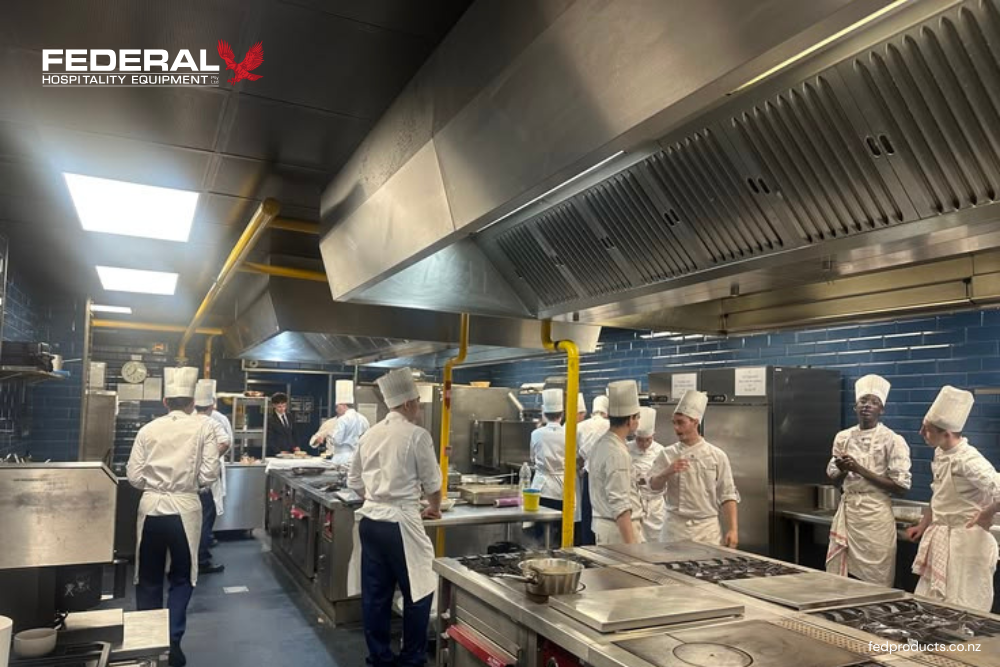
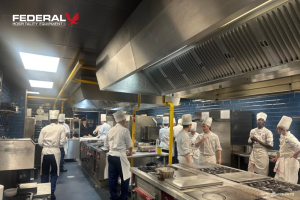
A commercial stainless steel range hood is one of the most important infrastructure components in a professional hospitality kitchen. It forms part of the wider kitchen ventilation system, helping remove airborne grease, heat, steam, smoke, cooking vapours, and odours from the working environment.
For restaurants, cafés, bakeries, takeaway outlets, catering kitchens, and commercial food operations, the right exhaust canopy is not just about appearance or size. It directly affects staff comfort, kitchen cleanliness, fire safety, extraction performance, equipment longevity, and compliance with New Zealand ventilation expectations.
Whether your business operates in Auckland, Wellington, Christchurch, Queenstown, Hamilton, or a regional hospitality area, selecting the right stainless steel range hood requires careful planning. The canopy must suit the cooking equipment below it, provide adequate airflow, support easy cleaning, and integrate correctly with ducting, filters, fans, and the overall kitchen layout.
Key Takeaways Before Buying
| Factor | What to Check | Why It Matters |
|---|---|---|
| Hood Size | Confirm adequate overhang beyond cooking appliances. | Helps capture heat, grease, steam, and smoke more effectively. |
| Airflow Performance | Review extraction capacity in m³/h or L/s. | Ensures the system can remove airborne contaminants from the kitchen. |
| Stainless Steel Quality | Choose suitable commercial-grade stainless steel. | Improves durability, hygiene, and long-term corrosion resistance. |
| Equipment Compatibility | Match the hood to fryers, grills, ovens, wok burners, or cooktops. | Different appliances produce different levels of heat, grease, and smoke. |
| Kitchen Layout | Plan installation around workflow, ducting, and access. | Prevents poor extraction, staff movement issues, and maintenance problems. |
| Cleaning Requirements | Check filters, grease capture, and access points. | Supports hygiene, performance, and safety. |
| Compliance | Verify ventilation, building, fire, and safety expectations. | Reduces installation risk and supports safe operation. |
Why a Stainless Steel Range Hood Matters in a Commercial Kitchen
Every commercial kitchen produces airborne contaminants during service. Fryers release grease-laden vapours, grills generate smoke and heat, ovens release hot air and steam, and cooktops create cooking odours and moisture. Without an effective range hood, these by-products quickly affect staff comfort, cleaning workload, indoor air quality, and kitchen safety.
A properly selected stainless steel hood helps protect the kitchen by capturing contaminants at the source and directing them into the exhaust system. This improves the working environment and helps reduce grease accumulation on walls, ceilings, equipment, and surrounding surfaces.
Businesses evaluating new ventilation systems may compare solutions from established commercial kitchen equipment brands such as Modular Systems, especially when stainless steel construction, durability, and commercial-grade performance are priorities.
1. What Is the Ideal Size for a Commercial Range Hood?
Choosing the correct hood size is one of the first and most important decisions. A canopy that is too small may fail to capture grease, steam, and heat effectively. A canopy that is unnecessarily large may cost more, take up additional space, and require a more powerful extraction system.
For many commercial kitchen applications, the stainless steel hood for sale should extend beyond the cooking surface to help improve capture performance. The original guidance recommends allowing at least 150mm beyond the cooking surface, although exact requirements depend on appliance type, kitchen design, airflow calculations, and installation standards.
Step-by-Step Measuring Guide
| Measurement | What to Check |
|---|---|
| Width | Measure the full width of all connected cooking appliances, including any gaps between equipment. |
| Depth | Include front and rear cooking zones, especially where grills, fryers, or cooktops are used. |
| Height | Check ceiling clearance, installation height, and ducting requirements. |
| Overhang | Allow sufficient canopy extension beyond the active cooking surface. |
| Appliance Layout | Include spacing between fryers, grills, ovens, cooktops, and other heat-producing equipment. |
Choosing Hood Size Based on Kitchen Type
| Business Type | Typical Equipment | Hood Requirement |
|---|---|---|
| Café | Small cooktops, ovens, compact grills. | Compact commercial extraction with appropriate overhang. |
| Restaurant | Multiple cooking stations, fryers, ovens, chargrills. | Larger canopy with higher airflow capacity. |
| Catering Kitchen | High-volume cooking equipment and batch production areas. | Industrial-grade ventilation design. |
| Takeaway Business | Fryers, grills, hotplates, high-grease cooking equipment. | Strong grease and smoke containment. |
2. How Much Extraction Airflow Does a Commercial Kitchen Need?
Extraction performance is determined by airflow volume, appliance heat output, cooking intensity, filter design, ducting layout, and fan performance. A larger canopy does not automatically mean better ventilation if the airflow system is not properly calculated.
The extraction capacity of products sourced from the top stainless steel hood suppliers and manufacturers is commonly measured in:
- m³/h: Cubic metres per hour, showing how much air the system moves over time.
- L/s: Litres per second, another airflow measurement used in ventilation calculations.
The required airflow depends on cooking activity. A bakery oven may produce moderate heat and steam, while a fryer line or chargrill can release significant grease, heat, and smoke.
Typical Extraction Requirements by Cooking Activity
| Cooking Activity | Typical Airflow Demand | Reason |
|---|---|---|
| Light cooking and baking | Lower airflow requirement. | Usually produces less grease and smoke. |
| Boiling and steaming | Moderate airflow requirement. | Creates heat, steam, and moisture. |
| Grilling and frying | Higher airflow requirement. | Produces grease, smoke, and high heat. |
| High-temperature grease cooking | High-velocity airflow requirement. | Requires stronger containment and extraction. |
What Happens When Airflow Is Incorrect?
| Problem | Possible Impact |
|---|---|
| Insufficient airflow | Smoke, odours, grease, and heat may escape into the kitchen. |
| Excessive airflow | May increase energy use and affect indoor comfort. |
| Poor ducting design | Can reduce extraction efficiency and increase maintenance demands. |
| Unbalanced make-up air | May create drafts, pressure issues, or poor ventilation performance. |
3. Which Stainless Steel Grade Is Best for a Commercial Range Hood?
Material quality directly affects durability, hygiene, corrosion resistance, and service life. In commercial kitchens, range hoods are exposed to heat, grease, steam, moisture, cleaning chemicals, and constant use, so stainless steel quality matters.
For most commercial hospitality environments, Grade 304 stainless steel is commonly preferred because it offers strong corrosion resistance, a clean professional finish, and good performance under daily kitchen conditions.
In environments exposed to higher moisture, salt, or corrosive conditions, Grade 316 stainless steel may provide additional protection. This may be relevant for coastal areas, seafood operations, or kitchens with heavy moisture exposure.
304 vs 430 Stainless Steel Comparison
| Feature | Grade 304 Stainless Steel | Grade 430 Stainless Steel |
|---|---|---|
| Corrosion Resistance | Excellent. | Moderate. |
| Commercial Kitchen Suitability | Preferred choice for many foodservice environments. | Suitable for lighter applications. |
| Cleaning Performance | Excellent. | Good. |
| Moisture Resistance | Higher. | Lower. |
| Cost | Higher initial investment. | Lower initial cost. |
For most New Zealand commercial kitchens, products made from Grade 304 material, such as steel cabinets, provide a strong balance between durability, hygiene, and long-term value.
4. How Do You Match a Range Hood With Your Cooking Equipment?
The appliances installed under the hood determine the physical design and airflow requirements of the ventilation system. Different equipment produces different levels of heat, grease, steam, smoke, and airborne contaminants.
A fryer line or chargrill usually needs stronger grease containment than a bakery oven. A wok burner produces intense heat and requires a different extraction approach from a light-duty cooktop. When you buy a stainless steel hood online, the hood must be suitable for the operating conditions created by the equipment below it.
Appliance Considerations
| Equipment Type | Key Requirement |
|---|---|
| Deep Fryer | Strong grease containment capability. |
| Chargrill | High heat and smoke management. |
| Wok Burner | High-temperature exhaust handling. |
| Commercial Oven | Heat removal and steam management. |
| Cooktop | General cooking vapour extraction. |
Common Equipment-to-Hood Matching Mistakes
| Mistake | Why It Creates Problems |
|---|---|
| Using a light-duty canopy above high-grease equipment. | May allow grease and smoke to escape into the kitchen. |
| Ignoring future appliance upgrades. | Can require expensive ventilation changes later. |
| Choosing hood size without airflow calculations. | May lead to poor extraction even when the canopy appears large enough. |
| Overlooking filter type. | Can make cleaning harder and reduce grease separation. |
5. How Should You Plan Kitchen Layout Before Installation?
The position of the extraction unit affects ventilation efficiency, staff movement, cleaning access, ducting design, and maintenance. A range hood should be planned as part of the full kitchen workflow, not treated as an afterthought once cooking equipment has already been installed.
This is especially important for New Zealand hospitality businesses operating in compact premises, where every metre of kitchen space must support productivity.
| Area | Requirement |
|---|---|
| Cooking Line | Hood positioned directly above heat-producing equipment. |
| Ceiling Space | Enough clearance for ductwork installation. |
| Workflow | Equipment placement supports efficient staff movement. |
| Service Access | Filters, fans, and components remain accessible. |
| Ventilation Route | Ducting path is practical and compliant. |
You can get further insights by contacting the top steel hood dealers and distributors in your area.
6. How Often Should a Stainless Steel Hood Be Cleaned?
Regular cleaning is essential for maintaining extraction performance, hygiene, and workplace safety. Grease accumulation inside filters and exhaust components can reduce airflow, increase odour issues, and raise maintenance requirements.
Cleaning frequency should be based on cooking volume and grease production. A bakery with light oven use may require less frequent filter cleaning than a takeaway shop running fryers and grills throughout the day.
Baffle Filters vs Mesh Filters
| Filter Type | Advantages | Considerations |
|---|---|---|
| Baffle Filter | Better grease separation, durable, and easier for commercial cleaning. | Higher initial cost. |
| Mesh Filter | Lower cost and lightweight. | Requires more frequent cleaning. |
For most commercial kitchens with grease-producing appliances, baffle filters are preferred because they are designed for higher-volume cooking environments.
Maintenance Schedule
| Component | Recommended Action |
|---|---|
| Filters | Clean regularly based on cooking volume. |
| Stainless Surfaces | Degrease routinely. |
| Fans and Ducting | Inspect and service professionally. |
| Exhaust Components | Check for grease build-up. |
When you shop for steel hoods that are maintenance-friendly, they reduce downtime and support consistent kitchen operations.
7. What NZ Compliance Requirements Apply?
A stainless steel range hood is part of a complete mechanical ventilation system and should be installed correctly to meet performance and safety expectations. For commercial kitchens in New Zealand, ventilation design should consider building, workplace health and safety, fire safety, and food operation requirements.
New Zealand Compliance Considerations
| Requirement Area | Why It Matters |
|---|---|
| New Zealand Building Code Clause G4 – Ventilation | Supports appropriate ventilation for occupied spaces. |
| Health and Safety at Work Act considerations | Supports safer working conditions for kitchen staff. |
| Fire Safety Review | Helps manage grease, heat, and ignition risks. |
| Professional Ventilation Design | Ensures airflow, ducting, and extraction capacity are properly planned. |
| Food Operation Requirements | Supports hygiene and safe commercial kitchen operation. |
Compliance verification helps ensure correct airflow, safe operation, and reliable performance from top commercial kitchen equipment.
Common Buying Mistakes to Avoid
| Common Mistake | Potential Impact | Better Approach |
|---|---|---|
| Choosing only by canopy size. | May ignore airflow, appliance heat output, and ducting requirements. | Assess the full ventilation system. |
| Undersizing the hood. | Smoke, grease, and heat may escape into the kitchen. | Allow correct overhang and professional design input. |
| Ignoring filter type. | Cleaning may become harder and grease capture may be weaker. | Use suitable filters for cooking intensity. |
| Choosing low-grade stainless steel. | May reduce durability and corrosion resistance. | Select Grade 304 or suitable commercial-grade material. |
| Forgetting service access. | Maintenance becomes difficult and expensive. | Plan access to filters, fans, ducting, and exhaust components. |
| Not planning for future equipment changes. | May require costly upgrades later. | Consider future menu and appliance expansion. |
Commercial Stainless Steel Range Hood Buyer Checklist
- Measure the full width and depth of the cooking line.
- Allow suitable canopy overhang beyond cooking surfaces.
- Confirm airflow requirements in m³/h or L/s.
- Match the hood to the heat, grease, smoke, and steam output of appliances.
- Choose suitable stainless steel grade for the kitchen environment.
- Check filter type and cleaning access.
- Plan ducting routes before ordering.
- Confirm ceiling clearance and service access.
- Review fire safety and ventilation requirements.
- Consider future appliance or menu changes.
- Work with experienced suppliers and installers.
Why Choose Federal Hospitality Equipment New Zealand?
Federal Hospitality Equipment New Zealand supplies commercial kitchen equipment for hospitality businesses that need reliable, practical, and long-term solutions. For commercial ventilation projects, choosing the right stainless steel range hood can make a significant difference to kitchen safety, staff comfort, cleaning efficiency, and daily performance.
We help hospitality businesses assess equipment requirements based on cooking style, kitchen layout, extraction needs, material quality, and long-term service expectations. Our range includes stainless steel range hoods from trusted manufacturers, including Modular Systems, helping foodservice operators select ventilation solutions suited to different commercial kitchen environments.
Whether you operate a café, restaurant, takeaway business, bakery, or catering kitchen, selecting the right ventilation equipment supports smoother operations and more reliable kitchen performance.
Conclusion
Selecting a stainless steel range hood for a commercial kitchen requires careful evaluation of size, airflow, materials, equipment compatibility, layout, maintenance, and compliance. The best solution is not simply the largest canopy or the most powerful fan. It is the ventilation system designed specifically for the kitchen’s cooking equipment, operating environment, workflow, and safety requirements.
By planning carefully before purchase, hospitality businesses can improve extraction performance, reduce grease build-up, support staff comfort, and invest in a system that delivers reliable value over time.
Frequently Asked Questions
What size stainless steel range hood do I need?
The correct size depends on the width and depth of your cooking appliances, required overhang, cooking intensity, ceiling height, and ventilation design. Many commercial systems require suitable canopy extension beyond the cooking surface to improve capture performance.
What airflow rating should a commercial range hood have?
Airflow depends on appliance type, heat output, grease production, ducting design, and kitchen layout. Commercial systems are commonly measured in m³/h or L/s and should be calculated according to the cooking load.
Is Grade 304 stainless steel suitable for commercial range hoods?
Yes. Grade 304 stainless steel is commonly used in commercial kitchens because it offers strong corrosion resistance, good hygiene performance, and a professional finish suitable for daily hospitality use.
When should Grade 316 stainless steel be considered?
Grade 316 may be useful in environments exposed to salt, moisture, or corrosive conditions, such as coastal kitchens or seafood-related operations.
Are baffle filters better than mesh filters?
For many commercial kitchens, baffle filters are preferred because they provide better grease separation and are more suitable for heavy-duty cooking environments. Mesh filters may suit lighter-duty use but often need more frequent cleaning.
How often should commercial range hood filters be cleaned?
Cleaning frequency depends on cooking volume and grease production. High-grease kitchens may require more frequent cleaning than low-volume cafés or bakeries.
Can I buy a stainless steel range hood online?
Yes, but measurements, airflow requirements, ducting routes, appliance layout, and compliance expectations should be confirmed before purchase to avoid installation problems.
Why is professional ventilation planning important?
Professional planning helps ensure the hood, filters, fan, ducting, airflow, and installation design work together properly. This supports safe operation, better extraction, and long-term system performance.
-
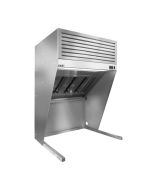 Modular System Bench Top Filtered Hood - HOOD1000ANZ$4,139.00 (Excl. GST)
 -
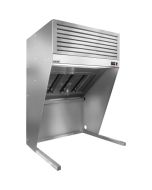 Modular System Bench Top Filtered Hood - HOOD1500ANZ$5,319.00 (Excl. GST)
 -
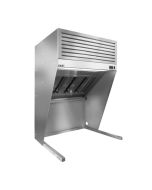
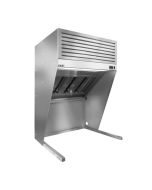 Modular System Bench Top Filtered Hood - HOOD1200ANZ$4,599.00 (Excl. GST)
 -
-
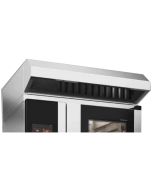 Fagor Electric Condensing Hood for 061 and 101 IKORE Oven EXH-061-101NZ$9,828.00 (Excl. GST)