Monthly Archives: May 2026

  1. Common Mistakes to Avoid When Buying a Bar Fridge in New Zealand

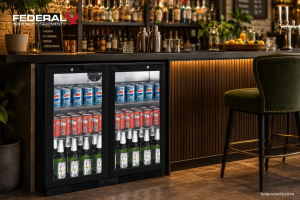
    Commercial double-door bar fridge with chilled beverages in a modern New Zealand hospitality bar setting.

    Choosing the right bar fridge is a critical business investment for cafés, restaurants, pubs, hotels, bars, and entertainment venues across New Zealand. A commercial beverage cooler does far more than keep drinks cold. It directly affects service speed, beverage quality, customer satisfaction, staff workflow, and long-term operating costs.

    Many hospitality operators focus heavily on the initial purchase price, neglecting daily performance, energy consumption, ventilation needs, and future storage demands. In busy New Zealand venues, the wrong commercial chiller increases electricity usage, reduces cooling efficiency, and creates workflow problems during peak trading hours.

    Problem Overview

    Commercial refrigeration in New Zealand, such as wine fridges

    Read more »
  2. Top Features to Look for in a Commercial Wok Burner

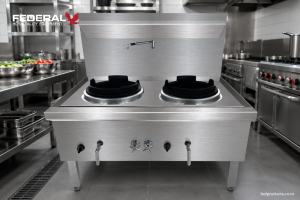
    Commercial stainless steel wok burner station with dual high-BTU cooking rings in a professional New Zealand restaurant kitchen.

    Commercial wok burners are critical, high-use assets in modern restaurant kitchens across New Zealand, particularly in Asian restaurants, takeaway shops, food courts, and hospitality venues with high-volume service demands. Whether operating a Chinese restaurant in Auckland, a noodle bar in Wellington, or a mobile food truck in Christchurch, selecting the right professional wok cooker directly impacts cooking efficiency, food consistency, operational reliability, and energy consumption.

    Unlike standard gas cooktops, industrial stir-fry stations generate extremely high heat while distributing flames evenly around the curved wok surface. This thermal intensity creates the distinctive charred aromatic profile associated with authentic stir-fry cuisine. Most commercial units operate between 60,000 and 150,000+ BTUs. BTU, or British Thermal Unit, is the standard measurement of heat energy output

    Read more »
  3. Best Deli Display Fridge Features Every Food Retailer Should Look For?

    Large commercial deli display fridge showcasing fresh sandwiches, salads, drinks, dairy products, and ready-to-eat meals inside a modern New Zealand supermarket.

    In New Zealand’s competitive food retail industry, presentation matters just as much as product quality. Whether you run a deli, butcher shop, café, bakery, or convenience store, your deli display fridge and freezer play an essential role in item preservation, merchandising, and customer experience. A well-designed unit improves meal safety, encourages impulse purchases, enhances store presentation, and helps reduce operating costs.

    New Zealand consumers expect fresh-looking products, hygienic displays, and energy-efficient retail environments. The right deli display fridge helps retailers meet these expectations while improving workflow and profitability. This guide outlines the most important deli display fridge features New Zealand food retailers should consider before investing in commercial refrigeration equipment.

    Key Features to Look for in a Deli Display Fridge

    The best deli display fridges combine cooling performance, visibility, durability, and energy

    Read more »
  4. What Are the Mistakes to Avoid When Buying a Commercial Meat Mincer?

    Commercial stainless steel meat mincer machine processing fresh meat inside a professional hospitality kitchen in New Zealand.

    For butcher shops, supermarkets, restaurants, cafés, and food processors across New Zealand, commercial meat processing equipment plays a critical role in daily food preparation. Whether producing burger patties, gourmet sausages, traditional NZ bangers, or fresh mince, the right commercial meat mincer improves production speed, hygiene, and product consistency.

    However, many businesses make common oversights when purchasing industrial meat grinders. An undersized or poorly designed machine reduces operational productivity, increases servicing costs, and creates food safety risks. Choosing the correct equipment requires careful evaluation of capacity, motor power, hygiene systems, safety features, and long-term business requirements.

    This guide explains the top mistakes New Zealand businesses should avoid when buying a commercial meat mincer and how to select equipment

    Read more »
  5. How to Select the Perfect Commercial Coffee Grinder for Your Café in New Zealand?

    Commercial coffee grinder with coffee bean hopper and precision burr grinding system in a professional café kitchen in New Zealand.

    New Zealand’s café industry is highly competitive, and coffee quality is a primary driver of customer retention. From high-volume espresso bars in Auckland CBD to boutique cafés in Wellington and Queenstown, customers expect reliable flavour, fast service, and professionally prepared brew across every visit.

    While espresso machines receive significant attention, the commercial coffee grinder has a direct impact on flavour quality, workflow efficiency, operational throughput, and coffee waste. The wrong grinder produces uneven particle sizes, slows service, overheats during peak demand, and increases product wastage. The right grinder improves speed, repeatability, and long-term return on investment.

    This guide explains how New Zealand café owners can choose the right commercial coffee grinder based on weekly beverage volume, brew menu, workflow requirements, and long-term operational goals.

    Read more »
  6. Commercial Plate Warmers vs Heated Shelves: Which Is Better?

    Commercial heated shelves vs plate warmer comparison in a New Zealand hospitality kitchen showing stainless steel food warming equipment for restaurants, cafés, hotels, and catering businesses.

    In New Zealand’s fast-paced hospitality industry, keeping food at the ideal serving temperature is no longer just about customer comfort. Restaurants, cafés, hotels, catering businesses, and buffet operators across cities like Auckland, Wellington, Christchurch, and Queenstown are investing in smarter food-holding equipment to improve food quality, speed up service, and reduce waste.

    Two of the most popular solutions are commercial plate warmers and heated shelves. While both are designed to maintain heat during service, they serve different purposes inside a professional kitchen. Choosing the right option depends on your service style, kitchen layout, menu, and operational goals.

    Understanding Commercial Plate Warmers

    Commercial plate warmers are designed specifically to preheat and store dishes before food service. These units typically use convection heat or heating elements to maintain

    Read more »
  7. How do Heated Display Cabinets Improve Food Presentation and Sales in New Zealand?

    Commercial heated display cabinet showcasing burgers, pastries, baked goods, and hot snacks inside a modern bakery and café environment in New Zealand.

    In New Zealand’s competitive hospitality industry, visual presentation plays a major role in influencing customer decisions. Whether it is a café in Auckland, a bakery in Christchurch, a takeaway shop in Wellington, or a service station in Hamilton, customers are naturally drawn to food that looks fresh, warm, and ready to eat. This is where heated display cabinets become an essential investment for commercial hospitality businesses.

    Across New Zealand, catering businesses are increasingly using heated display cabinets to create attractive food showcases while maintaining ideal serving temperatures. From pies and sausage rolls to fried chicken, pastries, and hot snacks, heated variants help businesses showcase products in the most appealing way possible.

    Why Food Presentation Matters in Hospitality?

    The following table highlights how presentation impacts customer perception.

    Read more »
  8. How to Choose the Right Stainless Steel Undershelf for Your Kitchen in New Zealand?

    Stainless steel wall-mounted undershelves storing kitchen bowls, plates, and containers inside a modern commercial hospitality kitchen in New Zealand.

    In New Zealand’s fast-paced hospitality industry, kitchen organisation is more than just convenience. It directly impacts workflow, hygiene, staff productivity, and food safety compliance. Whether you operate a café in Auckland, a seafood restaurant in Wellington, a bakery in Christchurch, or a catering business in Hamilton, every square metre of kitchen space matters. One of the most practical storage additions for commercial kitchens is the stainless steel undershelf.

    A stainless steel undershelf transforms unused space beneath workbenches into functional storage. It helps chefs keep cookware, containers, utensils, and ingredients within easy reach while maintaining a cleaner and more organised kitchen. However, not every undershelf is suitable for every kitchen setup. Selecting the right pantry requires careful consideration of material grade, size, load capacity, hygiene

    Read more »
  9. How to Choose the Right Pasta and Noodle Cookers for Your Commercial Kitchen?

    commercial pasta and noodle cooker used in New Zealand restaurant kitchen with multi basket system

    Selecting the right pasta and noodle cooker is a crucial decision for any commercial kitchen. In New Zealand's dynamic hospitality industry—where menus often blend Italian classics with Asian-inspired dishes—efficiency, consistency, and speed are essential.

    Whether you run a café in Auckland, a restaurant in Wellington, or a catering service in Christchurch, the right equipment can significantly impact your kitchen's productivity and customer satisfaction.

    Tip: Investing in specialised cooking equipment improves workflow, reduces labour effort, and ensures consistent food quality during peak hours.

    What Is a Commercial Pasta & Noodle Cooker?

    A commercial noodle or pasta cooker is a specialised appliance designed to cook pasta, noodles, dumplings, and vegetables quickly and consistently.

    • Maintain precise temperatures
    • Support multi-batch cooking
    • Reduce cooking times
    • Improve
    Read more »