Customer Helpline:


In New Zealand’s fast-paced hospitality industry, keeping food at the ideal serving temperature is no longer just about customer comfort. Restaurants, cafés, hotels, catering businesses, and buffet operators across cities like Auckland, Wellington, Christchurch, and Queenstown are investing in smarter food-holding equipment to improve food quality, speed up service, and reduce waste.
Two of the most popular solutions are commercial plate warmers and heated shelves. While both are designed to maintain heat during service, they serve different purposes inside a professional kitchen. Choosing the right option depends on your service style, kitchen layout, menu, and operational goals.
Understanding Commercial Plate Warmers
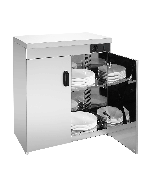
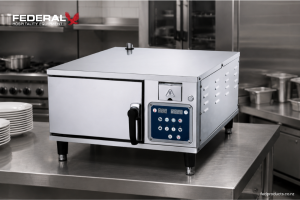
Commercial plate warmers are designed specifically to preheat and store dishes before food service. These units typically use convection heat or heating elements to maintain stable temperatures, ensuring meals stay hotter for longer after plating.
Plate warmers are commonly used in fine dining restaurants, banquet facilities, hotels, and catering operations where presentation and temperature consistency matter. In premium dining environments across New Zealand, serving hot food on a cold plate can quickly reduce meal quality and customer perception.
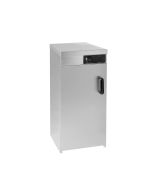
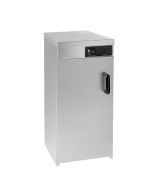
Most commercial plate or food warmers are available as cabinet units, mobile lowerators, countertop systems, or underbench models. Many stainless steel models offer adjustable temperature settings between 30°C and 90°C, helping operators safely warm crockery without damaging delicate plates.
Tip: Preheat plates at least 20–30 minutes before peak rush hour begins to maintain consistent food temperatures during busy lunch or dinner periods.
Understanding Heated Shelves
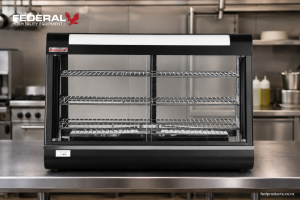
These variants work differently. Instead of warming plates before service, like plate warmers for sale, they keep prepared food or plated meals warm during holding and service. Heated shelves use electric heating to maintain food-safe temperatures while food waits for pickup, delivery, buffet service, or plating.
These systems are commonly installed in pass-through sections, buffet counters, pizza stations, cafés, and takeaway businesses throughout New Zealand. Warmed shelves are especially useful during peak service periods, when kitchens need to prepare meals in advance without compromising serving temperatures.
Modern heated frames are available in countertop, drop-in, and multi-tier configurations. Many include thermostatic controls, energy-efficient heating systems, and stainless steel finishes designed for commercial use.
Key Differences Between Plate Warmers and Heated Shelves
Although both appliances help maintain heat, their functions are completely different.
| Feature | Commercial Plate Warmers | Heated Shelves |
|---|---|---|
| Primary Purpose | Warm plates before serving | Hold prepared food at serving temperature |
| Best For | Fine dining, hotels, catering | Fast service, buffets, takeaway |
| Heat Method | Heated air circulation | Heated surface conduction |
| Food Contact | Indirect | Direct or plate contact |
| Common Placement | Kitchen storage areas | Service counters and pass areas |
| Typical Capacity | Large plate stacks | Multiple plated meals or containers |
| Energy Usage | Moderate | Varies by shelf size and wattage |
| Best Service Style | Formal dining | High-volume service |
Why Plate Warmers Are Popular in New Zealand Restaurants?
New Zealand’s hospitality industry places strong emphasis on presentation and dining experience. In fine dining venues across Auckland and Queenstown, food temperature plays a major role in guest satisfaction. Warm plates help maintain the temperature of steaks, seafood, pasta, and premium dishes during the journey from kitchen to table. According to commercial catering equipment guides, products sourced from the leading plate warmer suppliers and manufacturers can significantly reduce heat loss after plating.
This is particularly valuable in larger venues where servers travel longer distances between kitchens and dining rooms. Another major advantage is workflow efficiency. Kitchen staff can prepare stacks of warmed plates before peak service begins, reducing delays during busy dinner periods. Many New Zealand catering companies also prefer mobile plate warmers because they make it easy to transport heated crockery between event spaces and banquet halls.
Tip: Use separate plate stacks for different menu sections, such as mains, desserts, and entrées, to improve workflow during high-volume service.
Why Heated Shelves Are Ideal for Fast Service?
These racks are built for speed and flexibility. In busy cafés, takeaway shops, bakeries, and pizza outlets, meals often need to remain warm for short holding periods before pickup or delivery.
Products like pie warmers and heated shelves create an efficient holding zone where food remains visually appealing and ready for immediate service. Industry guides note that these shelves help reduce wait times while maintaining food-safe temperatures.
This makes them highly valuable to New Zealand businesses that use delivery platforms and online ordering systems. Auckland cafés and Christchurch takeaway operators increasingly rely on heated shelves during breakfast and lunch rushes, where timing is critical. Some hospitality professionals on various platforms also note that these variants can deliver gentler heat than the heat you get from plate warmers online, helping prevent food from drying out during short holding periods.
Tip: Heated shelves work best for short holding periods. Rotate dishes regularly to maintain texture, freshness, and presentation quality.
Space Considerations in New Zealand Commercial Kitchens
Kitchen space is often limited in urban hospitality venues, especially in Wellington and central Auckland, where rent and floor space are high. Dish warmers usually require dedicated storage space due to their cabinet-style design. However, underbench and mobile models can help maximise kitchen efficiency.
Warmed shelves are generally more compact and versatile. Many can be installed directly into counters or mounted above service stations, making them suitable for smaller cafés and quick-service kitchens. For businesses with limited floor space, heated shelves may provide greater operational flexibility.
Tip: Before purchasing any warming equipment, measure kitchen clearance areas carefully to avoid disrupting staff movement during service.
Which Equipment Improves Food Quality More?
The answer depends on the type of operation. Equipment sourced from the top plate warmer dealers and distributors improves the dining experience by preserving the original serving temperature of plated meals. They are particularly effective for dishes that cool quickly, such as lamb, seafood, risotto, and grilled items.
Hot shelves, meanwhile, are designed to maintain already-prepared food for short periods without interrupting workflow. They are better suited to fast-paced operations where meals are staged before collection or service.
If your business focuses on premium dining and presentation, products like Bain Maries and dish warmers often provide better long-term value. If your priority is speed, volume, and service efficiency, heated shelves usually deliver stronger operational benefits.
Best Choice for Different Hospitality Businesses
| Hospitality Business Type | Better Option |
|---|---|
| Fine Dining Restaurants | Commercial Plate Warmers |
| Hotel Buffets | Combination of Both |
| Cafés | Heated Shelves |
| Catering Companies | Mobile Plate Warmers |
| Pizza Shops | Heated Shelves |
| Event Venues | Dish Warmers |
| Quick-Service Restaurants | Heated Shelves |
| Banquet Facilities | Plate Warmers |
Conclusion
There is no universal winner between commercial plate warmers and heated shelves, as they serve different operational purposes. Commercial dish warmers are ideal for enhancing presentation, preserving meal temperature, and supporting premium dining experiences. They are particularly valuable in New Zealand’s fine dining, hotel, and catering sectors, where food quality and guest satisfaction are top priorities.
Heated shelves excel in speed-focused environments where kitchens need flexible hot-holding solutions during busy service periods. They are highly effective for cafés, takeaway shops, buffet counters, and high-volume operations. For many larger New Zealand hospitality businesses, the best solution is often a combination of both systems. These warmers ensure meals begin service at the right temperature, while heated shelves maintain efficiency during peak trading hours.
FAQs
1. What is the main difference between commercial plate warmers and heated shelves?
Commercial plate warmers are used to warm plates before food is served, while heated shelves are used to hold prepared food or plated meals at serving temperature during service.
2. Are commercial plate warmers better for fine dining restaurants in New Zealand?
Yes, commercial plate warmers are often better for fine dining restaurants, hotels, banquet facilities, and catering businesses because they help preserve meal temperature and improve the overall dining experience.
3. Are heated shelves suitable for cafés and takeaway shops?
Yes, heated shelves are highly suitable for cafés, takeaway shops, bakeries, pizza outlets, buffet counters, and quick-service restaurants where food needs to stay warm for short holding periods.
4. Can a business use both plate warmers and heated shelves?
Yes, many larger New Zealand hospitality businesses benefit from using both. Plate warmers help meals begin service at the right temperature, while heated shelves support faster service and efficient hot holding during busy trading periods.
5. Which option saves more space in a small commercial kitchen?
Heated shelves are generally more compact and flexible because they can be installed on counters, above service areas, or as drop-in units. However, underbench and mobile plate warmers can also help kitchens make better use of available space.
6. Do heated shelves dry out food?
Heated shelves are best used for short holding periods. Rotating dishes regularly and avoiding extended holding times can help maintain food texture, freshness, and presentation quality.
7. What temperature range do commercial plate warmers usually offer?
Many stainless steel commercial plate warmers offer adjustable temperature settings between 30°C and 90°C, allowing operators to warm crockery safely without damaging delicate plates.
8. Which equipment is best for hotel buffets?
Hotel buffets often benefit from a combination of both commercial plate warmers and heated shelves. Plate warmers support guest presentation, while heated shelves help keep prepared food warm and accessible during service.