Customer Helpline:


How Do Juice Dispensers Help New Zealand Restaurants Increase Beverage Sales?
New Zealand hospitality businesses are always looking for practical ways to increase revenue, improve service efficiency, and create better customer experiences. From Auckland cafés and Wellington restaurants to Queenstown tourism venues, hotel breakfast areas, catering businesses, and buffet-style foodservice operations, beverage sales can play a valuable role in overall profitability.
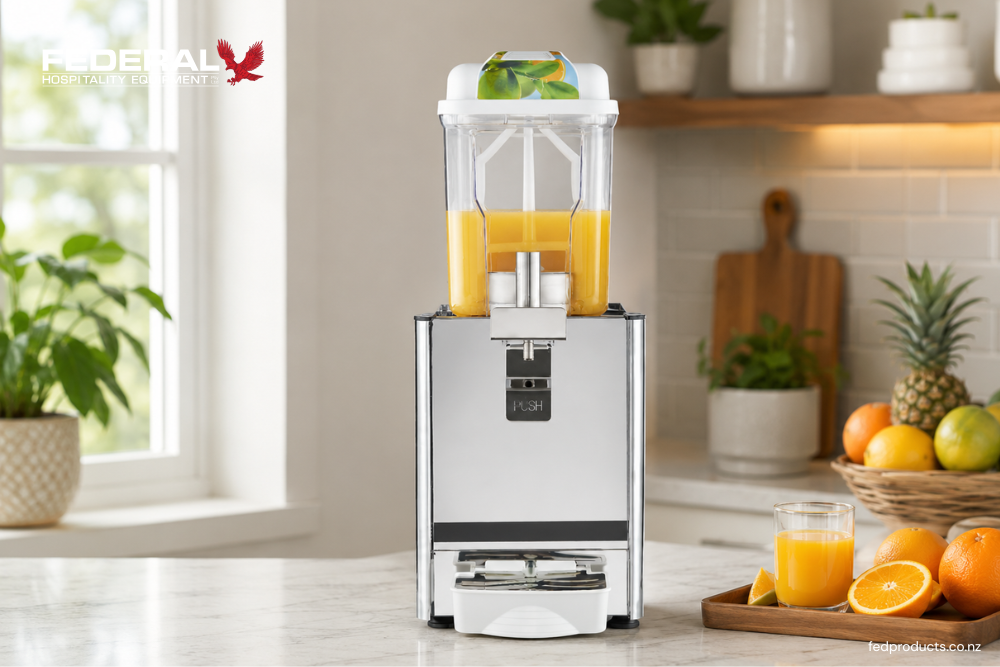
A commercial juice dispenser is more than a simple drink appliance. When placed well and used strategically, it can improve beverage visibility, encourage impulse purchases, reduce staff workload, support better drink presentation, and create new opportunities for premium beverage sales.
For restaurants, cafés, hotels, accommodation providers, schools, universities, healthcare kitchens, and catering businesses across Aotearoa New Zealand, a well-chosen juice dispenser can support faster service while giving customers more choice and convenience.
Why Are Commercial Juice Dispensers Becoming More Popular in New Zealand Restaurants?
Commercial juice dispensers are becoming more popular because they solve several hospitality challenges at once. They make drinks easier to see, easier to serve, and easier to sell. In busy restaurants and cafés, small improvements in beverage service can have a meaningful impact on revenue and customer satisfaction.
Customers often make quick decisions when ordering drinks. If chilled juices are clearly displayed near a service counter, buffet, breakfast station, or takeaway area, customers are more likely to add a drink to their order. This makes beverage visibility an important part of menu presentation and sales strategy.
For operators, juice dispensers also reduce the need for staff to prepare every drink manually. This is especially useful during breakfast rushes, lunch periods, hotel buffet service, catering events, and family dining environments where speed matters.
What Are the Key Benefits of Commercial Juice Dispensers?
| Benefit | Why It Matters? | Business Impact |
|---|---|---|
| Improved beverage visibility | Customers are more likely to buy drinks they can clearly see. | Higher impulse sales and stronger beverage attachment rates. |
| Faster service | Drinks are available without individual preparation delays. | Shorter queues and smoother service flow. |
| Reduced staff workload | Staff spend less time pouring and preparing drinks manually. | Better productivity during peak periods. |
| Premium drink opportunities | Seasonal blends and local fruit options can support higher pricing. | Improved average order value. |
| Better customer experience | Customers enjoy choice, convenience, and quick access. | Higher satisfaction and repeat visits. |
| Sustainability support | Bulk beverage service can reduce reliance on single-use packaging. | Lower packaging waste and stronger sustainability messaging. |
How Do Juice Dispensers Encourage Impulse Beverage Purchases?
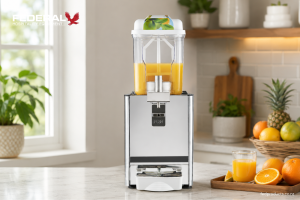
The visibility and convenience of such a dispenser for sale can strongly influence customer buying behaviour. When customers see colourful juice options displayed in chilled containers, the drink becomes more noticeable, appealing, and easy to add to an order.
Impulse purchases often happen when four conditions are present: the product looks fresh, it is immediately available, the decision feels easy, and the customer does not need to wait. A commercial juice dispenser supports all four conditions.
| Customer Trigger | How a Juice Dispenser Helps? |
|---|---|
| Visual appeal | Bright juice colours and clear containers attract attention. |
| Convenience | Customers can choose drinks quickly without waiting for preparation. |
| Choice | Multiple flavours encourage customers to compare and select. |
| Availability | Ready-to-serve drinks feel easier to purchase than made-to-order beverages. |
| Placement | Positioning near counters, buffets, or meal stations increases visibility. |
Why Do Self-Service Beverage Stations Improve the Customer Experience?
New Zealand customers increasingly value convenience, choice, and control. A self-service or assisted-service beverage station allows customers to select their preferred flavour, serving size, and timing without relying entirely on staff availability.
This is particularly useful in buffet settings, breakfast service, hotel dining areas, tourism venues, schools, universities, hospitals, and catering events where customers may be moving through a service area quickly.
Self-service beverage access can improve customer experience by reducing queues, creating more drink variety, allowing staff to focus on hospitality, and helping customers move through the ordering process more smoothly.
This creates a stronger connection between operational efficiency and customer satisfaction. For further information, visit the top commercial juice dispenser suppliers and manufacturers near you.
How Can Juice Dispensers Help Solve Labour Challenges in New Zealand Hospitality?
New Zealand’s hospitality sector continues to face staffing pressure, which makes operational efficiency an important priority for restaurant owners and managers. A commercial drink dispenser can reduce the time staff spend preparing, pouring, and serving drinks manually.
Instead of preparing individual juice orders one by one, staff can focus on food preparation, customer service, upselling, clearing tables, managing orders, and improving the overall dining experience.
How Does Manual Beverage Service Compare with a Dispenser System?
| Task | Manual Beverage Service | Dispenser Service | Operational Benefit |
|---|---|---|---|
| Preparing 50 juice serves | High staff involvement. | Minimal preparation and refilling. | Reduced labour demand. |
| Serving drinks | Individual preparation required. | Faster customer access. | Shorter waiting times. |
| Staff allocation | More time spent on drinks. | Staff redirected to service. | Improved productivity. |
| Peak trading periods | Queues can build quickly. | Customers access drinks more efficiently. | Smoother service flow. |
Commercial juice dispensers help restaurants serve more customers efficiently without necessarily increasing staffing requirements.
How Can Restaurants Use Juice Dispensers to Increase Average Order Value?
A juice dispenser can become a practical menu engineering tool. Restaurants can use it to introduce premium beverage options, seasonal drinks, local fruit blends, meal bundles, and limited-time promotions.
| Beverage Concept | Business Benefit | Example |
|---|---|---|
| Seasonal fruit blends | Creates limited-time purchase opportunities. | Summer citrus, berry blends, or tropical breakfast juice. |
| Local ingredient drinks | Supports New Zealand sourcing stories. | Apple, feijoa, kiwifruit, berry, or citrus-based drinks. |
| Premium juice combinations | Allows higher pricing. | Cold-style fruit blends or functional juice mixes. |
| Meal and drink bundles | Increases transaction value. | “Add a fresh juice with lunch for $3.” |
| Breakfast add-ons | Encourages morning beverage purchases. | Juice included with buffet or breakfast combo. |
Bundling is especially effective because it gives customers a simple reason to add more to their order. A clear message such as “Add a fresh juice with your lunch” can feel like good value while increasing the average transaction value for the business.
Should Restaurants Offer Seasonal and Local Juice Options?
Yes. Seasonal and local juice options can make a beverage station feel more relevant and more premium. New Zealand customers often respond well to products that reflect local produce, seasonal availability, and fresh flavour combinations.
Seasonal rotation also helps keep the menu interesting. Rather than offering the same two flavours every month, restaurants can promote new combinations during summer, school holidays, tourism seasons, or event periods.
How Do Juice Dispensers Support Hygiene and Food Safety?
Hygiene is a key consideration for all hospitality businesses. Modern drink dispensing systems, such as hot water urns and boilers, are designed to support cleaner, more controlled drink service when used and maintained correctly.
Commercial juice dispensers may include sealed beverage containers, removable dispensing parts, easy-clean surfaces, and simple cleaning access. Some advanced models may include optional UV sterilisation technology, although this is not standard across all dispensers.
| Hygiene Feature | Why It Helps? |
|---|---|
| Sealed beverage containers | Helps protect drinks during service. |
| Removable parts | Makes cleaning and sanitisation easier. |
| Easy-clean dispensing components | Supports regular hygiene routines. |
| Clear containers | Allows staff to monitor product level and appearance. |
| Optional UV sterilisation | Available on selected advanced systems as additional hygiene support. |
Regular cleaning schedules remain essential when you buy juice dispensers online because proper maintenance directly affects drink quality, customer confidence, and equipment performance.
How Can Beverage Stations Help Hospitality Businesses Become More Sustainable?
Sustainability is increasingly important for New Zealand consumers and businesses. Commercial juice dispensers can help reduce dependence on individually packaged drinks such as plastic bottles, cartons, and single-serve containers.
By using bulk beverage dispensing, restaurants may reduce packaging waste, storage requirements, delivery frequency, and reliance on disposable drink packaging. This can align with customer expectations around waste reduction and more responsible foodservice practices.
| Sustainability Benefit | Operational Advantage |
|---|---|
| Lower packaging waste | Reduces reliance on bottled or carton drinks. |
| Reduced storage needs | Bulk beverage service can take less back-of-house space than cartons. |
| Fewer deliveries | May reduce restocking frequency for packaged drinks. |
| Reusable cup programs | Supports customer-facing sustainability initiatives. |
| Clear sustainability messaging | Helps businesses communicate responsible operating practices. |
What Smart Features Should You Look for in a Modern Juice Dispenser?
Advanced beverage systems now include smart monitoring features. IoT, or Internet of Things, technology allows connected equipment to collect operational data and deliver useful business insights. You can gain further information by contacting the best juice dispenser dealers and distributors near you.
Depending on the model, smart beverage equipment can monitor usage levels, peak serving periods, popular flavours, maintenance requirements, and stock management needs.
| Smart Feature | Business Value |
|---|---|
| Beverage usage tracking | Helps identify which drinks sell fastest. |
| Peak period monitoring | Supports smarter staffing and refilling decisions. |
| Flavour performance data | Helps operators plan promotions and seasonal rotations. |
| Maintenance alerts | May reduce downtime and missed cleaning tasks. |
| Stock management support | Helps reduce waste and avoid running out of popular drinks. |
For example, sales data may show that berry-based drinks perform strongly during afternoon trading periods. The restaurant can then adjust promotions, pricing, and inventory planning based on actual customer behaviour.
How Do Smart Juice Dispensers Compare with Standard Beverage Dispensers?
| Feature | Smart or Advanced Dispenser | Basic Beverage Dispenser |
|---|---|---|
| Monitoring | Advanced usage tracking. | Limited visibility. |
| Maintenance alerts | Available on selected models. | Usually manual. |
| Cost | Higher initial investment. | Lower purchase cost. |
| Best suited for | High-volume operators. | Small cafés and budget-focused businesses. |
| Long-term efficiency | Higher operational insight. | Simple operation. |
The best solution depends on business goals, not just equipment price, when you shop for juice dispensers online. A basic model may suit a small café, while an advanced system may provide greater value for high-volume restaurants, hotels, and buffet operations.
What Should You Consider Before Buying a Commercial Juice Dispenser?
Before purchasing, businesses should review capacity, placement, cleaning requirements, power access, customer flow, flavour strategy, and expected return on investment. The right dispenser should support the way customers move through your venue and the way your team manages service.
| Buying Area | What to Check? |
|---|---|
| Capacity | Match dispenser size to expected beverage demand. |
| Placement | Position the unit where customers can easily see it. |
| Cleaning | Choose removable parts and simple sanitising access. |
| Flavour range | Offer enough choice without creating waste. |
| Power access | Confirm installation requirements before purchase. |
| Service model | Decide between staff-assisted, buffet, or self-service use. |
How Can Restaurants Implement a Juice Dispenser in the First 30 Days?
| Timeline | Action Plan |
|---|---|
| Week 1: Planning and setup | Identify profitable beverage opportunities, select dispenser capacity, and choose flavours that match customer preferences. |
| Week 2: Installation and staff training | Train employees on operation and cleaning procedures, create beverage promotions, and position the dispenser for visibility. |
| Week 3: Customer testing | Monitor popular flavours, collect customer feedback, and adjust pricing or promotions. |
| Week 4: Optimisation | Review sales performance, introduce seasonal options, and improve placement or marketing strategies. |
What Are the Most Common Mistakes When Buying a Juice Dispenser?
| Mistake | Potential Problem | Better Approach |
|---|---|---|
| Choosing only by price | The dispenser may not support peak demand or cleaning needs. | Compare capacity, hygiene features, durability, and service requirements. |
| Placing the dispenser in a low-visibility area | Customers may not notice the drink options. | Position it near service counters, buffets, or meal stations. |
| Offering too many flavours | May increase waste and complicate stock control. | Start with proven flavours and rotate seasonal options. |
| Ignoring cleaning routines | Can affect drink quality and customer trust. | Create a clear daily cleaning and refilling process. |
| Not training staff | Incorrect use may affect hygiene, presentation, or service flow. | Train staff on operation, cleaning, refilling, and customer guidance. |
| Not tracking performance | Businesses may miss sales and waste patterns. | Review flavour performance, refill frequency, and customer feedback. |
What Should Be on a Commercial Juice Dispenser Buyer Checklist?
- Confirm expected beverage sales volume.
- Choose the right dispenser capacity.
- Select flavours based on customer preferences.
- Plan where the dispenser will be positioned.
- Confirm power and installation requirements.
- Review cleaning access and removable parts.
- Decide whether smart monitoring is required.
- Train staff on operation and hygiene procedures.
- Create meal-and-drink bundle promotions.
- Monitor flavour popularity and sales performance.
- Review sustainability benefits and packaging reduction opportunities.
- Choose a trusted hospitality equipment supplier.
Why Choose Federal Hospitality Equipment New Zealand?
Federal Hospitality Equipment New Zealand supplies commercial beverage and hospitality equipment for restaurants, cafés, hotels, buffets, catering businesses, schools, universities, healthcare facilities, and foodservice operations across New Zealand.
Choosing the right juice dispenser is about more than selecting a drink machine. Businesses need to consider customer behaviour, beverage visibility, staff workload, hygiene routines, menu pricing, sustainability, and long-term operating value.
Federal Hospitality Equipment New Zealand helps hospitality operators choose practical beverage equipment solutions that support stronger drink sales, smoother service, and more efficient daily operations.
Conclusion
Commercial juice dispensers provide New Zealand restaurants with a practical way to increase beverage revenue, improve service efficiency, and create stronger customer experiences. They make drinks more visible, reduce manual serving pressure, support premium and seasonal beverage options, and help businesses make better use of drink sales opportunities.
By improving customer convenience, reducing labour pressure, supporting sustainability goals, and enabling smarter sales decisions, beverage systems such as blenders and ice crushers can deliver measurable operational value.
For hospitality businesses looking to improve profitability and create additional revenue streams, investing in the right beverage station is a strategic decision that supports long-term financial growth and customer satisfaction.
Frequently Asked Questions
How do juice dispensers help restaurants increase beverage sales?
They make drinks more visible, convenient, and appealing, which encourages customers to add beverages to their orders.
Are juice dispensers suitable for cafés?
Yes. Cafés can use juice dispensers for breakfast service, takeaway drinks, seasonal beverages, and meal bundle promotions.
Can juice dispensers reduce staff workload?
Yes. They reduce the need for staff to prepare and pour every drink manually, especially during busy periods.
Do juice dispensers improve customer experience?
Yes. Customers benefit from faster access, more choice, and easier beverage selection.
Are juice dispensers useful for hotels and buffets?
Yes. They are especially useful in breakfast areas, buffet service, accommodation venues, and tourism-focused hospitality operations.
How can restaurants use juice dispensers for upselling?
Restaurants can use meal-and-drink bundles, premium juices, seasonal flavours, and visible signage to increase average order value.
Do juice dispensers support sustainability?
They can reduce reliance on individually packaged drinks, lowering packaging waste and supporting reusable cup initiatives.
What hygiene features should I look for?
Look for sealed containers, removable parts, easy-clean dispensing components, clear surfaces, and suitable cleaning access.
Are smart juice dispensers worth considering?
They may be worth considering for high-volume businesses because they can provide usage data, maintenance alerts, and flavour performance insights.
Where should a juice dispenser be placed?
Place it near service counters, buffets, breakfast areas, or meal stations where customers can easily see it.
-
 Benchstar Double Bowl Juice Dispenser KF12L-2NZ$1,449.00 (Excl. GST)
 -
 Benchstar Single Bowl Juice Dispenser - KF12L-1NZ$1,099.00 (Excl. GST)