Customer Helpline:


Sushi Display Cabinet Hacks Every Chef Should Know

New Zealand’s hospitality scene has embraced sushi in a big way. From busy city food courts to waterfront restaurants and neighbourhood takeaway spots, sushi has become a popular choice for quick lunches and casual dining. Whether you’re serving sushi in Auckland, Wellington, Christchurch, or a coastal café in Queenstown, one thing remains constant: presentation and freshness are everything. A sushi display cabinet isn’t just a piece of refrigeration equipment; it’s a stage where culinary artistry meets customer perception. When used wisely, it can boost sales, protect product quality, and streamline service during busy periods.
Many chefs invest in high-quality commercial cabinets but only scratch the surface of what they can really do. With a few smart hacks, you can transform your commercial showcase into a powerful tool that enhances both workflow and visual appeal.
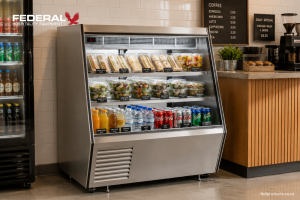
Designed for durability and style, these appliances showcase products while maintaining perfect chill. Check out our Refrigerated Display Cabinets.
Design Your Showcase Like a Retail Experience
In many New Zealand eateries, the titular delicacy is both a meal and an impulse purchase. Office workers grabbing lunch in the CBD, students on campus breaks, or tourists exploring local food spots are often drawn to visually appealing showcases. A sushi cabinet should therefore function like a mini storefront.
Instead of placing items randomly, arrange the sushi by colour and variety. Bright salmon nigiri, vibrant tuna rolls, and neatly arranged avocado maki create a visual rhythm that naturally draws the eye. Chefs who treat their showcase like visual merchandising often notice an increase in quick sales.
Lighting also plays a huge role. Many modern cupboards include LED lighting designed to enhance the appearance of food without raising temperatures. Adjusting the lighting angle slightly can make fish glisten more naturally, giving customers the impression of ultimate freshness.
Master the Rotation Technique
Freshness is the foundation of great sashimi, and smart chefs use a rotation method that goes beyond the standard “first in, first out” rule.
A useful hack is staging sushi preparation in small batches throughout service rather than preparing everything before opening. In many New Zealand sushi bars, especially those located in shopping centres or busy city streets, demand can spike unexpectedly. Preparing sushi in waves ensures the sushi display cabinet for sale is always refreshed and never looks tired or sparse. Another trick chefs use is to position the newest sushi slightly behind existing trays rather than replacing them entirely. This subtle approach keeps the product looking full while ensuring older items sell first.
Control Moisture to Protect Rice Quality
One of the biggest challenges with sushi showcases is preventing rice from drying out. Refrigeration can sometimes make rice firm or dull in texture, which affects the overall dining experience.
Experienced chefs often place small humidity-friendly elements within the cabinet setup, such as keeping lids slightly vented on certain trays or using cabinet settings designed specifically for sushi rather than standard refrigeration modes. Some chefs in New Zealand also adjust rice preparation slightly by balancing vinegar and moisture content so it holds better in a display environment. Maintaining a balanced humidity inside the equipment can dramatically improve texture and extend the shelf life of nigiri without compromising safety.
Smart Layout for Faster Service
During peak hours, especially during lunch rushes in New Zealand’s CBDs, speed is critical. Well-organised equipment sourced from the leading sushi display cabinet suppliers and manufacturers can significantly reduce service time. Chefs often divide the cabinet into zones. Popular options like salmon nigiri, chicken teriyaki rolls, and classic California rolls are kept at eye level and closest to staff access points. Speciality or premium items can be positioned slightly higher or at the edges of the display.
This layout strategy helps staff grab orders quickly without disrupting the entire cabinet’s arrangement. It also makes it easier to track which items are selling fastest, allowing chefs to adjust production in real time.
Keep the Glass Crystal Clear
It might sound simple, but the cleanliness of the display glass can make or break a customer’s first impression. In New Zealand’s competitive dining scene, presentation matters just as much as flavour.
Chefs who run successful sashimi counters often clean the display glass multiple times a day rather than waiting until closing time. Fingerprints, condensation, or smudges can dull the look of fresh sushi and make the cabinet appear less hygienic. A quick wipe during quieter moments keeps the display looking sharp and professional, especially in open-kitchen environments where customers closely watch food preparation.
Entice customers with vibrant Gelato Ice Cream Displays that highlight every scoop. Browse our collection here.
Use the Display to Tell a Story
Modern diners in New Zealand are increasingly interested in where their food comes from and the quality of ingredients used. When you buy sushi display cabinets online, you can subtly communicate this story.
Instead of simply placing trays inside, many chefs use small labels or minimal signage to highlight premium ingredients such as sustainably sourced seafood or locally inspired rolls. This approach works especially well in boutique nigiri bars or high-end takeaway outlets. Customers often feel more confident buying sashimi when they can quickly identify varieties and see how fresh and organised the display looks.
Timing Your Refill Strategy
One of the smartest hacks experienced sushi chefs use is timing their cabinet refills strategically. Rather than topping up continuously, refilling at predictable intervals can help maintain a sense of freshness.
In many New Zealand nigiri outlets, chefs aim to refresh the display just before known rush periods, such as the midday lunch crowd or early evening takeaway demand. This ensures customers always encounter a fully stocked, vibrant cabinet when they are most likely to buy. It also helps reduce waste because production aligns better with demand patterns.
Maintain the Cabinet Like a Pro
A commercial display cabinet performs best when regularly maintained. In New Zealand’s hospitality industry, where equipment often runs for long hours daily, proper care extends its lifespan and helps maintain food safety standards. Important maintenance habits every chef should follow include:
Regular Temperature Calibration
Even high-end cupboards procured from the best sushi display cabinet dealers and distributors can drift slightly over time. Checking and calibrating temperatures ensures seafood stays within safe limits while maintaining optimal display conditions.
Cleaning the Airflow System
Dust or debris in vents can reduce cooling efficiency. A clean airflow system keeps the cabinet performing consistently during long service hours.
Built for efficiency and clarity, they combine freshness with customer-friendly visibility. Take a look at our Deli Display Fridges & Freezers.
Checking Door Seals and Glass Panels
If the cabinet has sliding doors or seals, ensuring they close properly helps maintain stable internal temperatures and improves energy efficiency. These small maintenance habits prevent costly issues later and keep the cabinet operating at peak performance.
Conclusion
New Zealand’s sashimi market continues to grow, with everything from small takeaway kiosks to premium Japanese restaurants competing for attention. In such an environment, the sushi display cabinet becomes more than refrigeration equipment; it becomes a silent salesperson.
A well-managed cabinet showcases freshness, professionalism, and quality at a glance. When chefs apply these simple but powerful hacks, they not only protect their food but also enhance customer confidence and increase sales.