Customer Helpline:


How to Choose the Right Ice Maker for Your NZ Business?

In New Zealand's thriving hospitality and foodservice landscape, ice is more than a finishing touch—it's an operational essential. From chilled flat whites in Auckland cafés to fresh seafood displays in Wellington and craft cocktails in Queenstown bars, the right ice maker ensures smooth service, satisfied customers, and efficient workflows.
But choosing the right ice maker machines isn't as simple as picking the biggest machine or the cheapest option. Your decision should reflect your business size, menu, peak demand, and even New Zealand's climate and sustainability priorities. This comprehensive guide will help NZ business owners — cafés, restaurants, hotels, bars, dairies, and healthcare facilities — select the ideal ice maker with confidence.
Rapid cooling technology that locks in freshness, flavour, and food safety. Please browse our Blast Chillers & Freezers.
Why the Right Ice Maker Matters?
Ice impacts customer experience, food safety, operational efficiency, and profitability. Running out of ice during a busy lunch service or summer rush can slow service and damage your reputation.
A well-chosen commercial ice machine provides:
- Consistent ice supply during peak hours
- Energy and water efficiency
- Reduced staff stress and faster service
- Better drink quality and food presentation
Commercial machines are engineered for continuous operation, fast recovery, and minimal downtime — essential for busy hospitality environments.
Step 1: Understand Your Daily Ice Demand
The first step in choosing the right ice maker is determining how much ice your business uses per day.
Typical Ice Usage by Business Type
- Café: 25–50 kg/day
- Restaurant: 80–120 kg/day
- Bar or hotel: 150–300+ kg/day
- Coffee shop (100 customers): 50–100 lbs/day
- Full-service restaurant (100 customers): 150–200 lbs/day
A common rule: restaurants use about 1.5 lbs of ice per customer, using ice makers for sale.
NZ-Specific Considerations
In New Zealand, demand can spike due to:
- Summer tourism surges
- Outdoor dining culture
- Craft beverage trends
- Seafood displays in coastal towns
Summer demand may increase by up to 30%, so planning is essential.
Pro tip: Choose a machine with slightly higher capacity than your average demand to avoid shortages.
Step 2: Plan for Peak Hours — Not Just Daily Totals
Daily totals alone can be misleading. If most of your ice is used during a 3–5 hour rush, you need either high production or ample storage.
For example:
- A bar using 300 lb/day may need 120–150 lb of storage for peak periods.
- Businesses often store 30–50% of daily demand with the help of equipment sourced from the top ice maker suppliers and manufacturers to handle rushes.
This step is especially important for:
- Happy hour venues
- Event catering
- Tourist-heavy locations
Step 3: Choose the Right Type of Ice Maker
Different configurations suit different business sizes and layouts.
- Undercounter Ice Makers
Best for: cafés, small bars, food trucks
Why choose: space-saving and convenient
These compact units combine production and storage in one appliance.
Typical output: up to ~440 lbs/day.
- Modular Ice Makers
Best for: restaurants, hotels, high-volume bars
Why choose: scalability and high output
They sit atop a separate bin and can produce 250–1,500 lbs/day.
- Ice Dispensers
Best for: self-service restaurants, healthcare facilities
Why choose: hygiene and convenience
- Portable Ice Makers
Best for: catering and events
Why choose: mobility and flexibility of the ice makers in New Zealand
Step 4: Select the Right Ice Type for Your Menu
Ice shape affects drink quality, melt rate, and presentation.
Maximise storage capacity with sleek, vertical designs built for professional use. Please take a look at our Upright Fridges.
Common Ice Types & Uses
- Full or half cube: general beverages, slower melting
- Nugget ice: juice bars, healthcare, chewable texture
- Flake ice: seafood displays and rapid cooling
- Crescent ice: soft drinks and food service
NZ trend insight: Nugget ice is growing in popularity in bubble tea shops and smoothie bars.
Step 5: Consider Cooling Systems
Cooling type affects efficiency, noise, and performance.
Air-Cooled Ice Makers
Most common and energy-efficient.
- Lower operating cost
- Requires good airflow
Water-Cooled Ice Makers
Best for hot kitchens.
- Quiet operation
- Higher water use
Remote-Cooled Systems
Best for premium venues.
- Reduces kitchen heat
- Higher installation cost
In warmer parts of NZ or enclosed kitchens, water-cooled systems may perform better. You can get further insights by contacting the best ice maker dealers and distributors near you.
Step 6: Factor in Real-World Conditions
Machine output varies based on the environment.
Production can drop 10–30% in hot or poorly ventilated spaces.
Key factors:
- Air temperature
- Water temperature
- Water quality
- Ventilation
- Electrical capacity
- Drainage setup
Hard water areas in NZ may require filtration to prevent scale buildup.
Step 7: Storage Capacity Matters
Ice production is only half the equation — storage determines peak performance.
Recommended storage:
- 30–50% of daily demand for rush-heavy operations
- 60–80% of daily production for a consistent supply
Insufficient storage leads to shortages even if production capacity is adequate.
Step 8: Energy & Water Efficiency
New Zealand businesses face rising utility costs and sustainability expectations.
Energy-efficient machines provide:
- Lower operating costs
- Reduced environmental impact
- Compliance with sustainability goals
Air-cooled systems of commercial ice makers are generally more energy-efficient and use less water.
Step 9: Space & Installation Requirements
Before purchasing, evaluate:
- Available floor or undercounter space
- Access to water supply and drainage
- Ventilation clearance
- Electrical requirements
Undercounter units fit under standard counters, making them ideal for compact kitchens.
Step 10: Future-Proof Your Investment
Your ice needs may grow as your business grows.
Choose scalable options if you plan to:
- Expand seating capacity
- Add new beverages or cocktails
- Introduce seafood displays
- Cater for events
Modular systems allow easy expansion without replacing the entire unit.
Common Mistakes to Avoid
- Buying Too Small and Running Out During Peak Hours
Underestimating demand can disrupt service, especially during summer tourism spikes and weekend rushes. Running out of ice forces staff to ration supply or buy emergency bags of ice, increasing costs and hurting customer experience.
- Buying Too Large and Wasting Energy
When you shop ice makers that are oversized, they consume more power and water than necessary, increasing operational expenses. In quieter seasons — common in some New Zealand tourist towns — excess production can also lead to melted, wasted ice.
- Ignoring Water Quality and Filtration
New Zealand's water quality varies by region, and mineral buildup can damage internal components. Without proper filtration, scale accumulation reduces efficiency, impairs ice clarity, and requires more frequent servicing.
- Overlooking Ventilation Requirements
Poor airflow around air-cooled machines can reduce production capacity and strain the compressor. Tight kitchen layouts, common in urban cafés, may require careful placement or the use of alternative cooling systems.
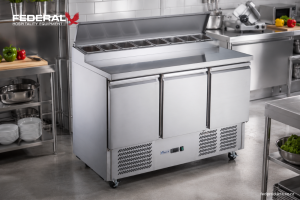
Keep ingredients fresh and within easy reach with our product designed for seamless kitchen workflows. Please check out Prep Fridges.
Conclusion
Choosing the right ice maker for your New Zealand business is a strategic decision that affects service quality, operational efficiency, and customer satisfaction. By assessing your daily demand, peak usage, ice type needs, cooling systems, and environmental conditions, you can invest in a machine that supports your growth and enhances your brand experience.
Whether you run a bustling café in Wellington, a boutique hotel in Rotorua, or a beachside restaurant in Tauranga, the right ice maker ensures your business stays cool under pressure — even during the busiest summer rush.